Creating Advanced Native 8K Photorealism with GenAI
Kling AI’s new model combines native 8K output, multilingual text rendering and coordinated image generation for creative production.
November 18, 2026 · 3 min read
Executive summary
Kling Image 4.0 is an image-generation model from Kling AI that offers native 8K output, up to 10 related images per prompt and text rendering of up to 2,000 characters. It supports English, Japanese, Korean, Spanish, Portuguese, simplified Chinese and traditional Chinese.
Key takeaways
- Kling Image 4.0 supports native 8K resolution for the first time in the industry, according to Kling AI.
- The model generates up to 10 related images from one prompt while maintaining consistent style and subject identity.
- Enhanced text rendering supports up to 2,000 characters in a single image across eight languages.
- The built-in font library includes more than 70 preset fonts, and creators can upload font reference images.
- Its text-to-image capabilities rank third in UIUX Design scenarios on the latest Artificial Analysis leaderboard.
Kling AI has launched Kling Image 4.0, an image-generation model that combines photographic realism, native 8K output, advanced text rendering and the ability to create up to 10 cohesive images from a single prompt.
Announced on Nov. 17, 2026, the model is aimed at creators and professionals in filmmaking, advertising, marketing and design.
Kling Image 4.0 is positioned as a tool for turning complex creative briefs into individual images or coordinated visual sets. Kling AI says the model improves instruction following and provides more precise control over composition.
According to the latest Artificial Analysis image leaderboard, Kling Image 4.0 Preview ranks third in UIUX Design scenarios for text-to-image capabilities.
Strategic Intent and Creative Control
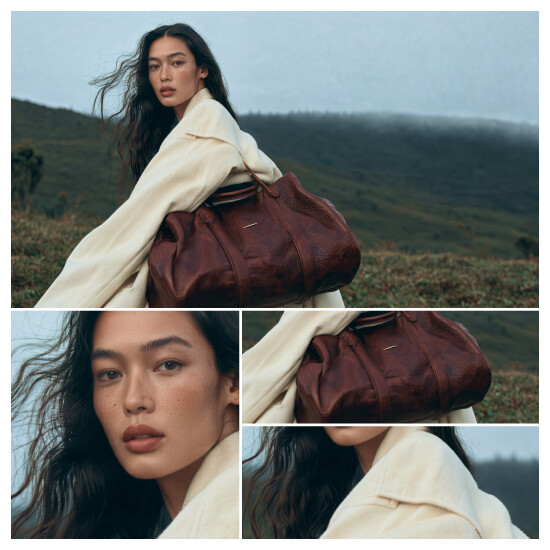
Kling Image 4.0 is designed to address production tasks where visual consistency, typography and revision speed are important. A single prompt can produce up to 10 related images while preserving a consistent visual style and subject identity. The system can vary framing, camera angles and content across the set, rather than treating each image as an isolated generation.
The workflow is intended to support storyboards, product presentations, e-commerce imagery and brand website visuals. Kling AI says the model can plan shots and narrative flow for storyboards, show product angles and selling points for e-commerce, and organize information across presentation visuals.
The model produces greater variation in facial features, body types, ages, and poses to avoid the common issue in image generationKling AI on Kling Image 4.0
Architecture, Features and Benchmarks
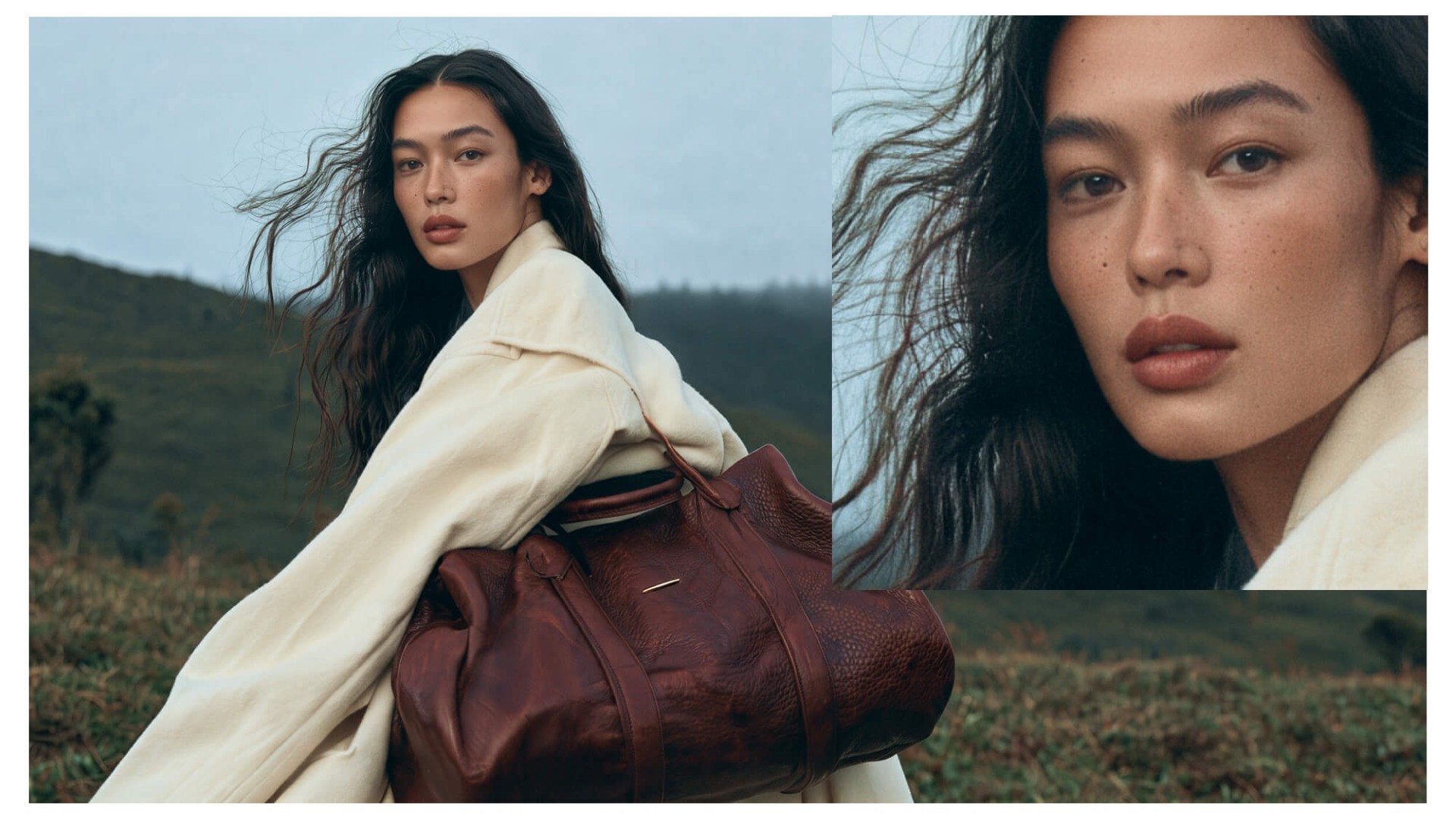
The model’s photographic output is described as combining soft lighting, lifelike textures and fine detail. Kling AI says it can reproduce subtle facial expressions and place subjects naturally within their surroundings. It generates greater variation in facial features, body types, ages and poses to reduce the recurring problem of people appearing too similar in generated scenes.
Native 8K generation is the model’s central technical claim. Kling AI says the output preserves detail in skin, fabric, product materials and landscapes, including in close-up views and extensive crops. The company identifies potential uses including digital campaigns, product imagery, large-format displays and outdoor advertising. These capabilities are presented as suitable for professional visual production.
The release lists support for English, Japanese, Korean, Spanish, Portuguese, simplified Chinese and traditional Chinese. Text and images can be edited on separate layers, which Kling AI says makes revisions easier. For e-commerce and brand sites, the model can combine product imagery, key information and brand elements in cohesive layouts.
Market Position and Product Continuity
Kling Image 4.0 follows the recent launch of Kling 4.0, the company’s video-generation model. Kling AI describes that earlier release as improving visual realism, creative control and narrative coherence.
The new image model extends the company’s stated direction from single-image generation toward coordinated visual delivery for film, advertising and marketing workflows.
The Artificial Analysis ranking provides an external reference for the preview version’s performance in UIUX Design scenarios, while the product’s stated capabilities focus on resolution, typography, multilingual generation and multi-image consistency.
Editorial FAQs
What is new in Kling Image 4.0?
The model combines photographic realism, native 8K output, advanced text generation and the ability to generate up to 10 cohesive images from a single prompt. It also offers improved instruction following and more precise control over image composition.
How many images can Kling Image 4.0 generate from one prompt?
Creators can generate a set of up to 10 related images from a single prompt. The model maintains consistent visual style and subject identity while varying framing, camera angles and content.
How much text can Kling Image 4.0 render in an image?
The model supports generating up to 2,000 characters in a single image, with editable text content and font styles. Its built-in library includes more than 70 preset fonts.
Which languages does Kling Image 4.0 support for text generation?
Text generation is supported in English, Japanese, Korean, Spanish, Portuguese, simplified Chinese and traditional Chinese.