Enterprise AI Needs Skills, Oversight and Governance
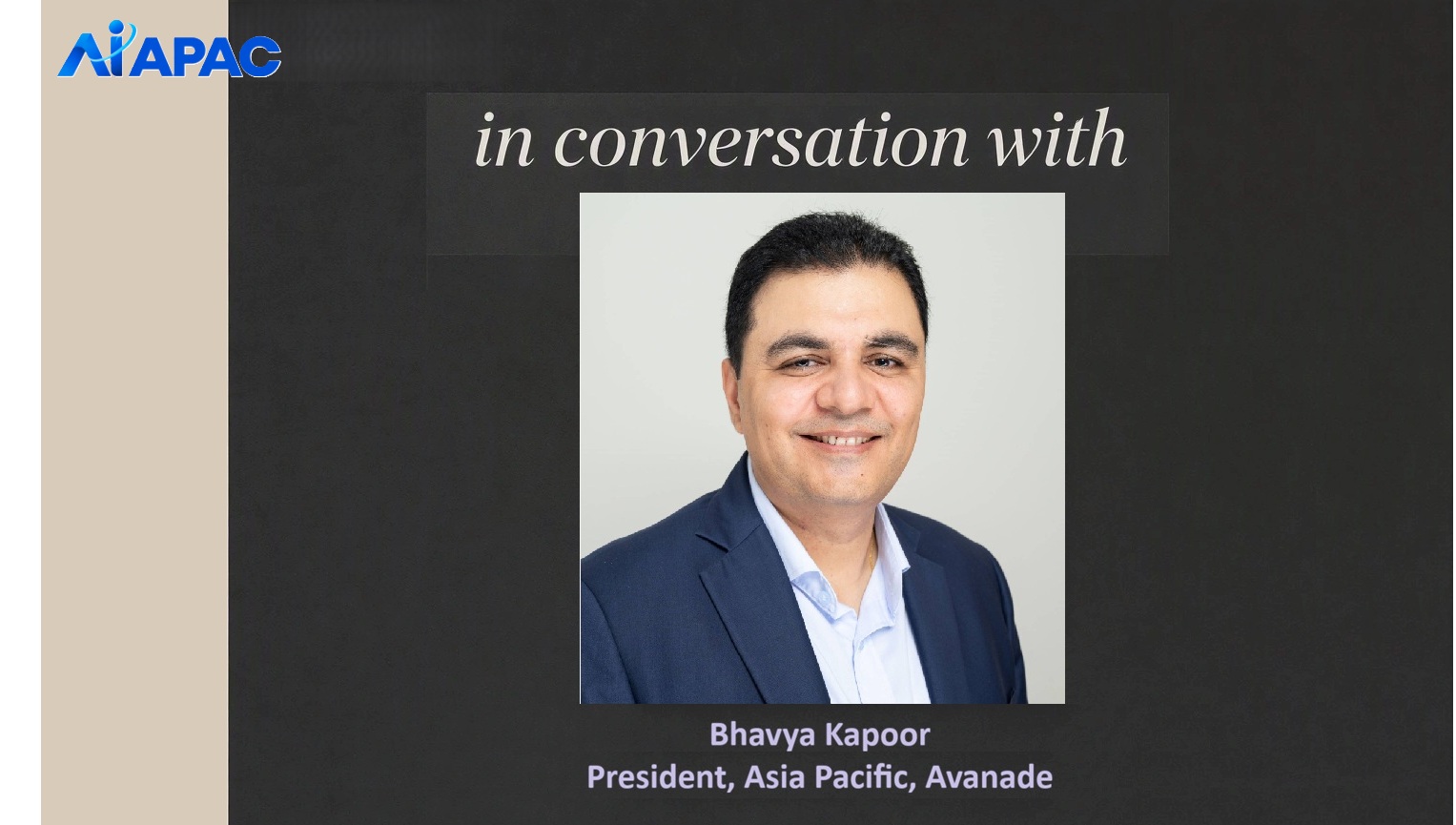
In an exclusive interview, Avanade APAC President Bhavya Kapoor outlines how AI will reshape roles, workflows and governance across regional enterprises.
Key takeaways
- AI is expected to automate tasks, change roles and create new roles rather than simply replace people.
- Avanade says continuous usage and capability building matter more than treating upskilling as a one-off certification exercise.
- Organizations moving from shadow AI to governed deployment need visibility, process redesign, trusted data, security and accountability.
- Around 60% of organizations in Avanade’s Sovereign AI research begin with data security, but only 22% extend governance to AI models.
- Agentic AI governance must define permitted actions, monitoring, human escalation and accountability.
AI is reshaping jobs and business operations across the Asia-Pacific region, but its impact will depend on how quickly organizations, governments and education systems help people adapt, according to Bhavya Kapoor, president for APAC at Avanade. Kapoor said the transition will involve automated tasks, changing roles and new forms of work rather than a simple replacement of people by machines.
The shift is also moving beyond individual productivity tools. Organizations are increasingly considering how AI can be embedded in customer service, operations, decision-making and other core workflows. That transition brings requirements for continuous learning, meaningful human oversight and practical governance, particularly as AI agents gain the ability to trigger workflows and interact with business systems.
Workforce Change Requires Ongoing Capability Building
Kapoor said the pace of the current technology shift distinguishes it from earlier changes associated with industrialization, software, digital services and cloud computing. While certification remains useful, she argued that organizations should focus on whether employees are using AI in their daily work, building confidence and applying the technology responsibly.
The nature of work will change. That has happened with every major technology shift, from industrialization to software, digital and cloud. What is different now is the pace of change.
Avanade is investing in training its own people and reviewing how teams apply AI internally and with clients, Kapoor said. The objective extends beyond technical knowledge to helping employees work differently, make better decisions and understand responsible use. She also warned that uneven progress among economies and organizations could widen existing gaps unless education and training infrastructure evolve quickly.
From Shadow AI to Governed Business Processes
Kapoor distinguishes between AI “on” the business and AI “in” the business. The former includes copilots, chatbots and productivity assistants that help people research, summarize information and work faster. The latter involves agents embedded in workflows, customer service and operations, where they may handle tasks, resolve issues, update systems or support parts of a business process.
Almost every organization now believes it is using AI. The more important question is whether they are using AI “on” the business or AI “in” the business.
For organizations dealing with shadow AI, Kapoor said the first step is visibility: identifying which tools are being used, where data is going, what risks exist and which use cases have the greatest business value. Moving from fragmented experimentation to production-scale AI requires process redesign, trusted data, security, ownership and accountability.
Governance Must Extend to Models and Agents
As AI systems become more capable, human oversight becomes more important, particularly in use cases involving judgment, risk or ethics. Organizations need to define what agents may do, what actions are prohibited, when escalation to a human is required and who is accountable for the outcome. Monitoring must also establish whether systems operate within approved boundaries and how their decisions align with organizational values and regulatory expectations.
Kapoor said no cybersecurity control is perfect, but AI increases the speed and scale at which risks can emerge. Avanade’s Sovereign AI research found that around 60% of organizations begin their AI sovereignty journey by securing data, while only 22% extend governance to the AI models themselves. The gap leaves the decision-making layer exposed as systems become more agentic.
Responsible AI becomes real when it is translated into operating practices: access controls, audit trails, escalation paths, data governance and human accountability. It should not sit only in policy documents.
Avanade applies its responsible AI principles both to client work and to the systems and processes it builds internally. Kapoor described the company as “client zero,” reflecting its position that organizations should apply governance practices to their own operations before helping customers scale AI. For APAC enterprises, the next stage of adoption will therefore involve not only selecting tools, but redesigning work, establishing controls and ensuring humans remain accountable for consequential outcomes.